The rollback test
Why this matters: Understanding how natural compounds influence blood pressure can provide protective benefits without the side effects of traditional interventions.
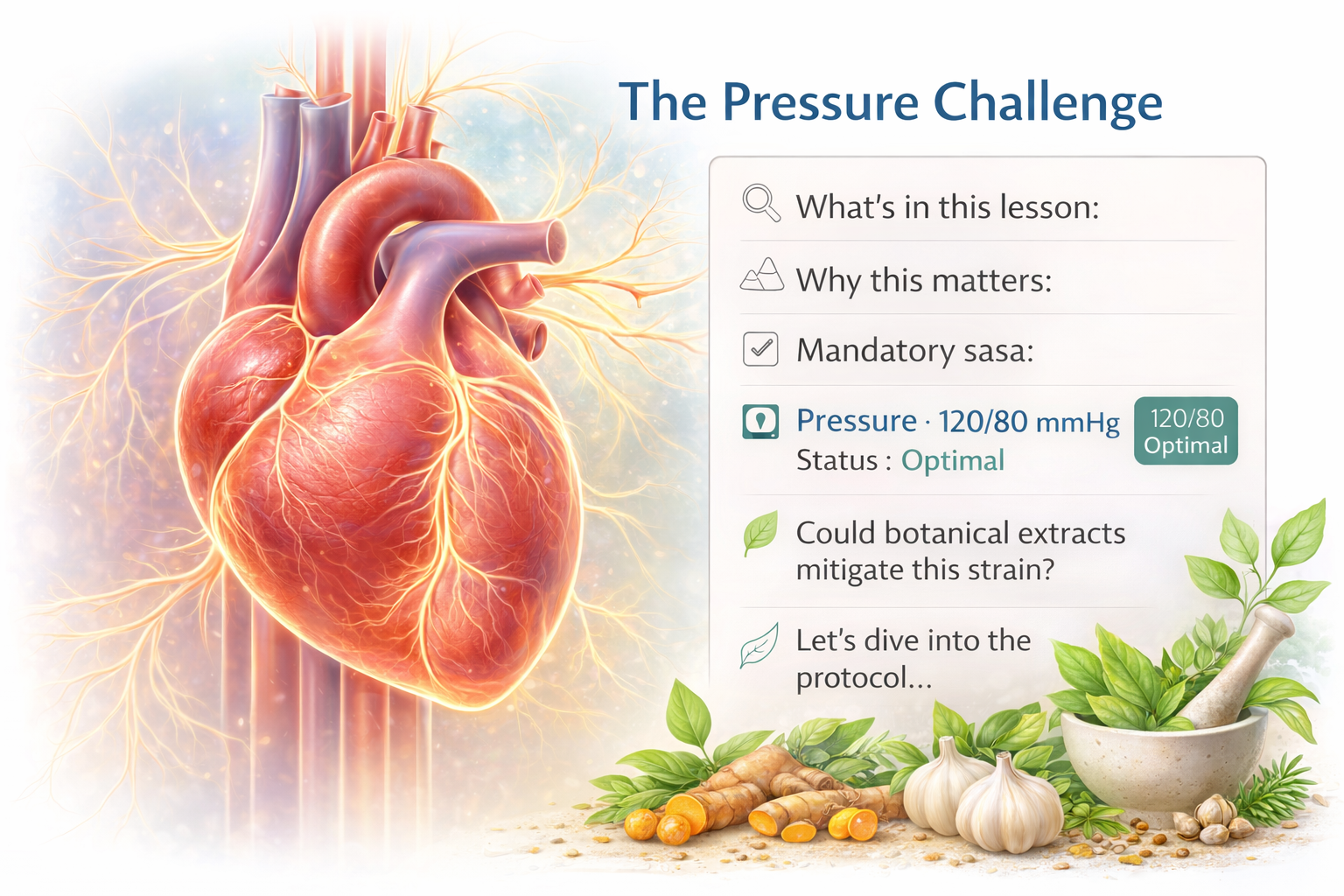
Could botanical extracts mitigate this strain? Let's dive into thetest deploymnet
Pressure: 120/80 mmHg
Status
Could botanical extracts mitigate this strain? Let's dive into the protocol.
Understanding Vascular Strain and Botanical Defense
The cardiovascular system is constantly adapting to both internal and environmental stressors. When the body encounters physical exertion, emotional stress, or extreme temperatures, blood vessels must rapidly adjust by dilating and constricting to manage blood flow and stabilize blood pressure. Over time, persistent or unmanaged stress can lead to vascular fatigue and decreased arterial elasticity.
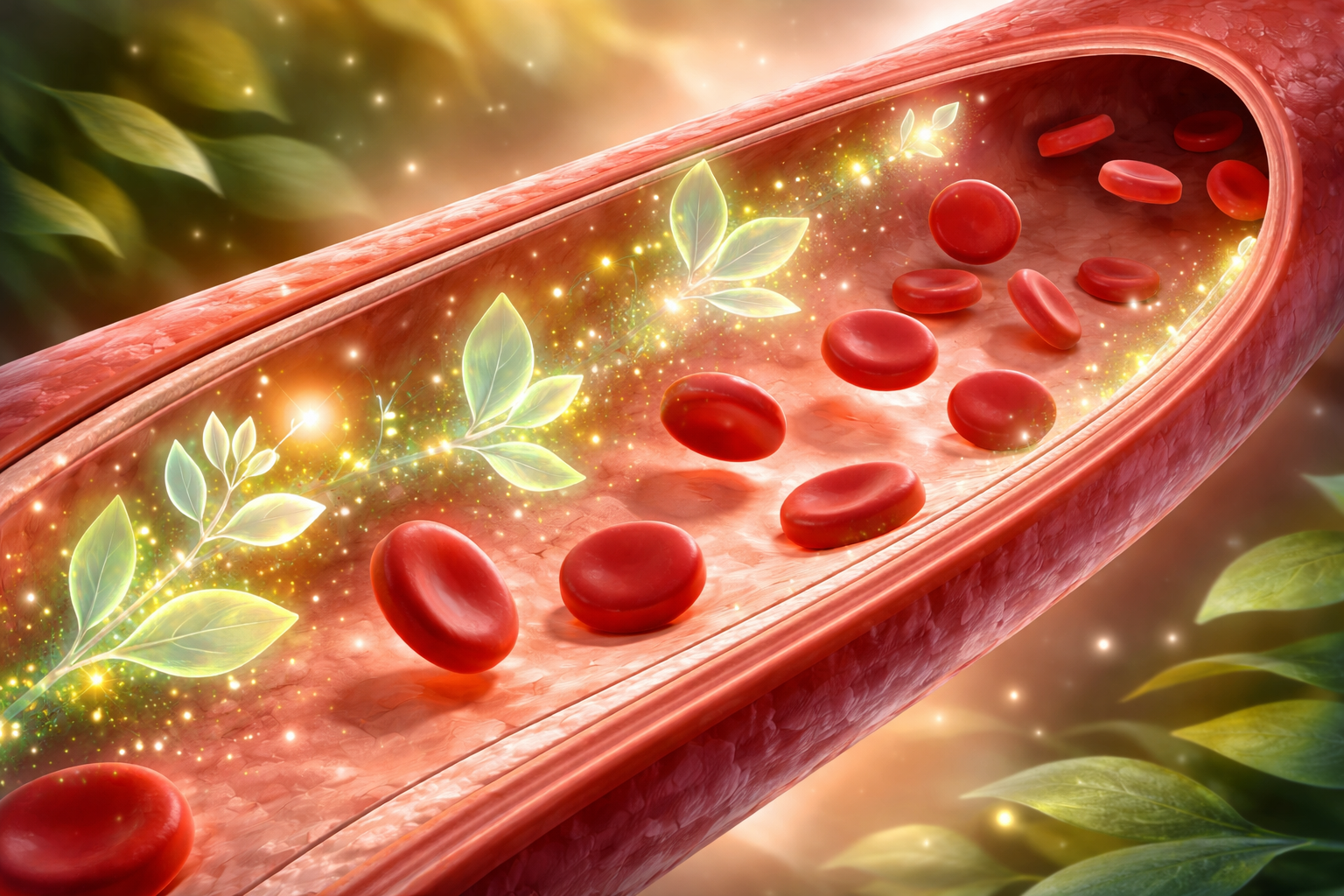
This is where targeted botanical interventions come into play. Specific plant-derived compounds—such as specific polyphenols, natural dietary nitrates, and flavonoids—are scientifically recognized for their ability to support endothelial function. The endothelium, the delicate inner lining of blood vessels, utilizes these natural protectors to promote healthy nitric oxide production, which signals the vessels to relax and open efficiently without the side effects of pharmaceutical stimulants.
The Challenge of Clinical Measurement
While in-vitro laboratory studies confirm the cellular benefits of these natural compounds, proving their efficacy in real-world human physiology requires pushing the cardiovascular system out of its comfortable resting state. To truly observe and measure these protective botanical effects, scientists must intentionally induce temporary vascular stress in a highly controlled setting.
The Heat Chamber: Simulating Vascular Strain
To truly understand how well botanical extracts can protect the cardiovascular system, we must test the body under controlled physiological stress. Enter the Heat Chamber—a specialized clinical environment designed to safely simulate extreme temperature and humidity conditions.

When you step into a high-heat environment, your body's priority shifts to thermoregulation. Your blood vessels rapidly dilate (widen) to push warm blood toward the surface of your skin to cool down. This sudden expansion causes a drop in vascular resistance, forcing your heart to pump significantly faster and harder to maintain optimal blood pressure.
By monitoring physiological markers inside these chambers, we can observe real-time cardiovascular strain. This creates the perfect testing ground to determine whether specific botanical interventions can provide meaningful vascular support and improve recovery times following intense environmental exposure.
The Heat Stress Response
Did you know? Extreme heat can increase cardiac output by up to two to three times your normal resting rate. This makes the heat chamber an ideal, non-invasive method for testing endothelial function and overall vascular endurance.
Quick Check: The Heat Chamber
What is the primary purpose of using a Heat Chamber during cardiovascular testing?
Select all correct answers (2 correct)
The Protocol: Establishing Your Baseline
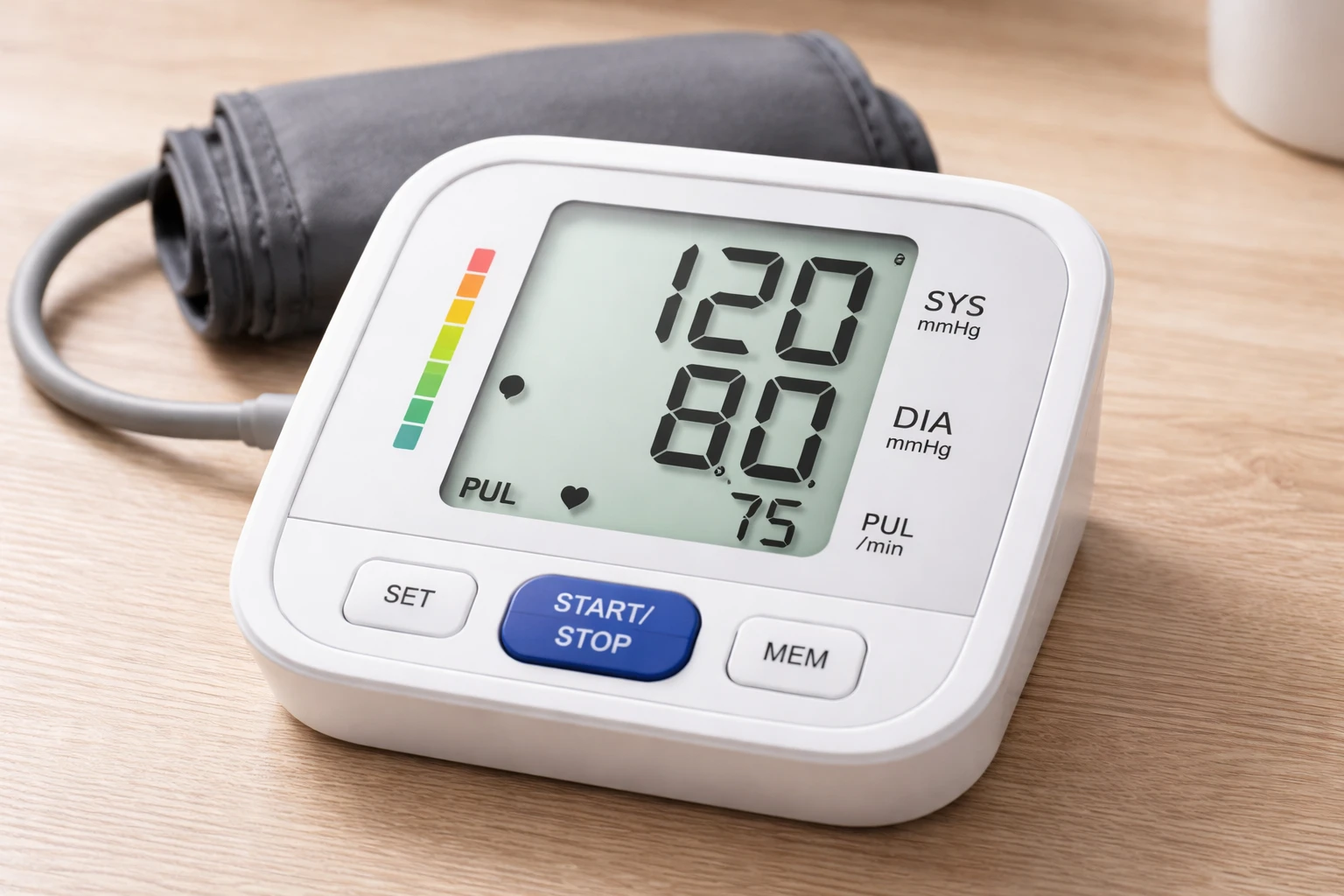
Before we explore how specific botanical extracts can support your cardiovascular health, it is essential to understand the forces at work inside your arteries. Your blood pressure is the primary indicator of this internal environment and ongoing vascular strain.
The first step in our protocol begins with accurate and consistent measurement. By tracking your vital metrics, you can directly observe how lifestyle adjustments and targeted natural compounds influence the overall elasticity and resistance of your blood vessels.
Protocol Step 1: Know Your Metrics
To gauge the true effectiveness of any botanical intervention, you must first decipher your cardiovascular baseline. The numbers on your monitor hold the key to understanding your arterial health.
Quick Check: Why Start with a Baseline?
Why is it important to establish your blood pressure baseline before using specific botanical extracts for cardiovascular support?
What Your Blood Pressure Really Tells You
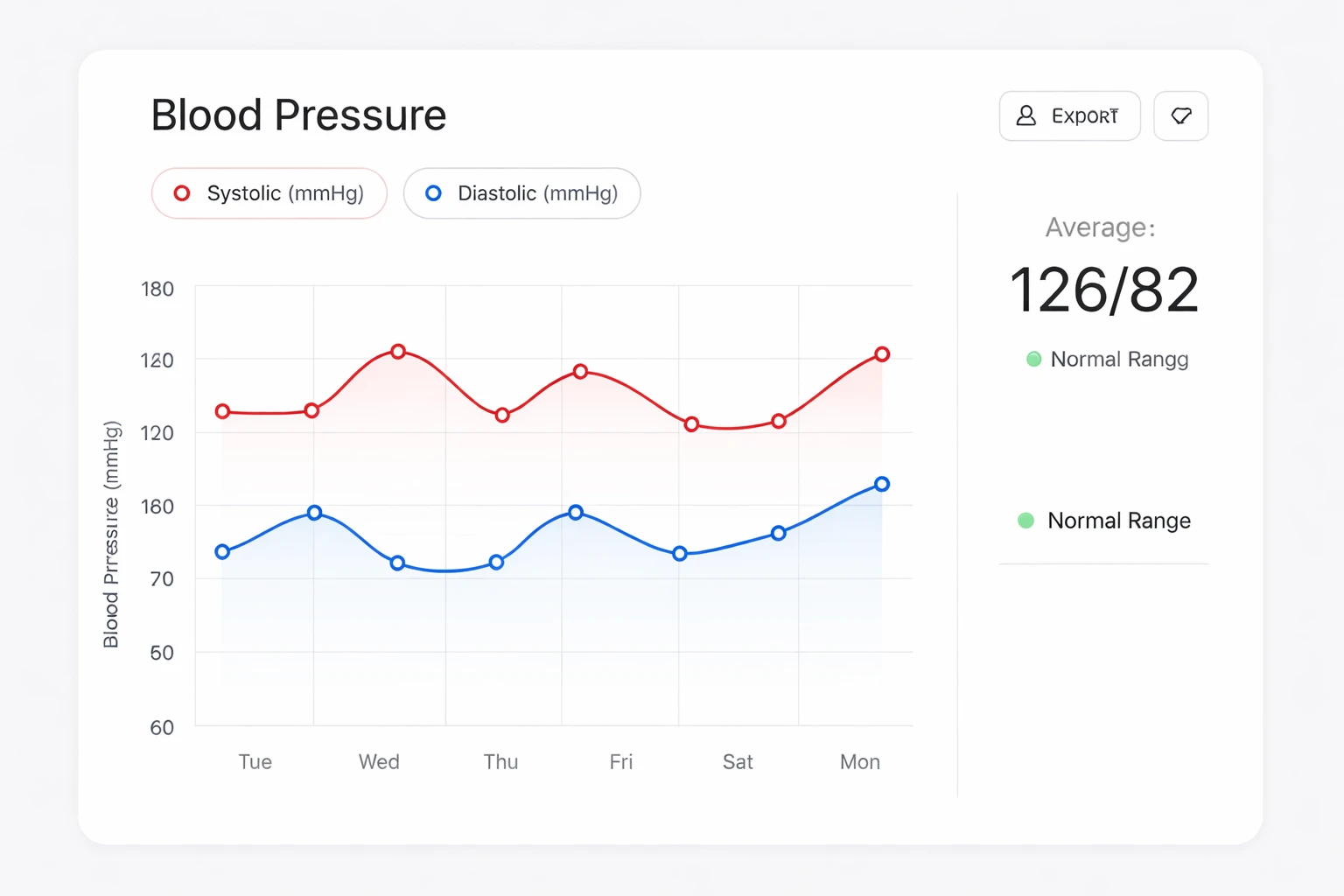
Blood pressure is simply the force of your blood pushing against the walls of your arteries as your heart beats and relaxes. This pressure is not static; it shifts from moment to moment based on your posture, breathing, emotions, activity level, and even the time of day. Rather than focusing on one isolated reading, it is more meaningful to look at patterns over time to reveal how your cardiovascular system is truly functioning.
Consistently elevated blood pressure signals that your arteries are under chronic mechanical stress. Over months and years, this strain can contribute to microscopic damage in the vessel lining, encourage plaque buildup, and force your heart to work harder than it should. On the other hand, a healthy, stable blood pressure range indicates that your vessels are more relaxed, blood is flowing efficiently, and your heart is not being overtaxed.
Reflection: Think about your last blood pressure reading (if you know it). Was it taken after sitting quietly for at least 5 minutes, with both feet on the floor and your arm supported at heart level? If not, your “baseline” may not be accurate. In the coming days, aim to record 3–5 readings under calm, consistent conditions so you have a clearer picture of where you truly stand.
Decoding Your Blood Pressure Numbers
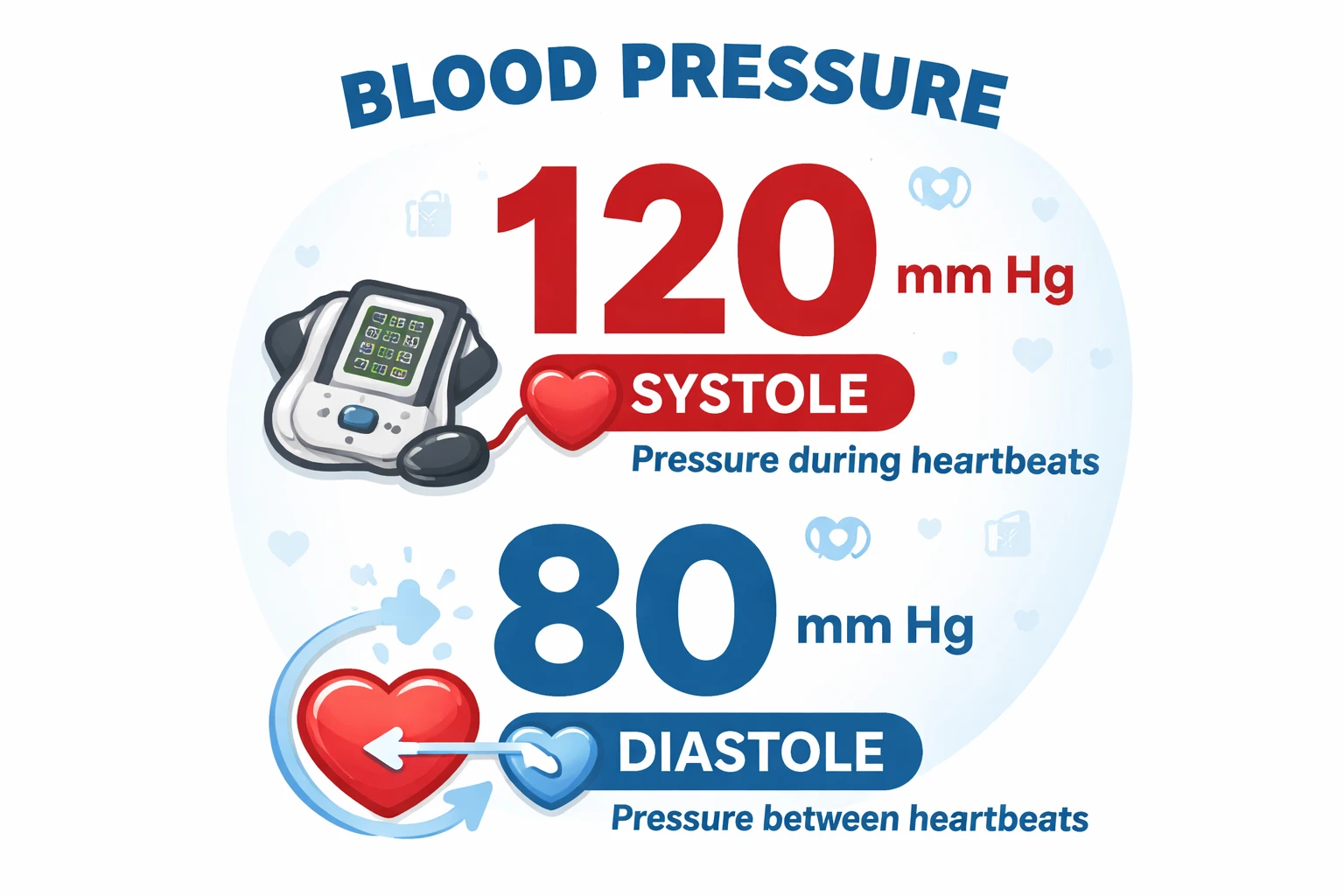
Your blood pressure reading has two numbers, written like 120/80 mmHg. The top number (systolic) reflects the pressure in your arteries when your heart contracts and pushes blood out. The bottom number (diastolic) reflects the pressure when your heart relaxes and refills between beats.
Optimal readings, like 120/80 mmHg, mean your heart and blood vessels are working efficiently without excessive strain. When these numbers rise, your heart has to work harder against increased resistance in your arteries, which over time can damage blood vessels and vital organs.
Understanding Your Heartbeat
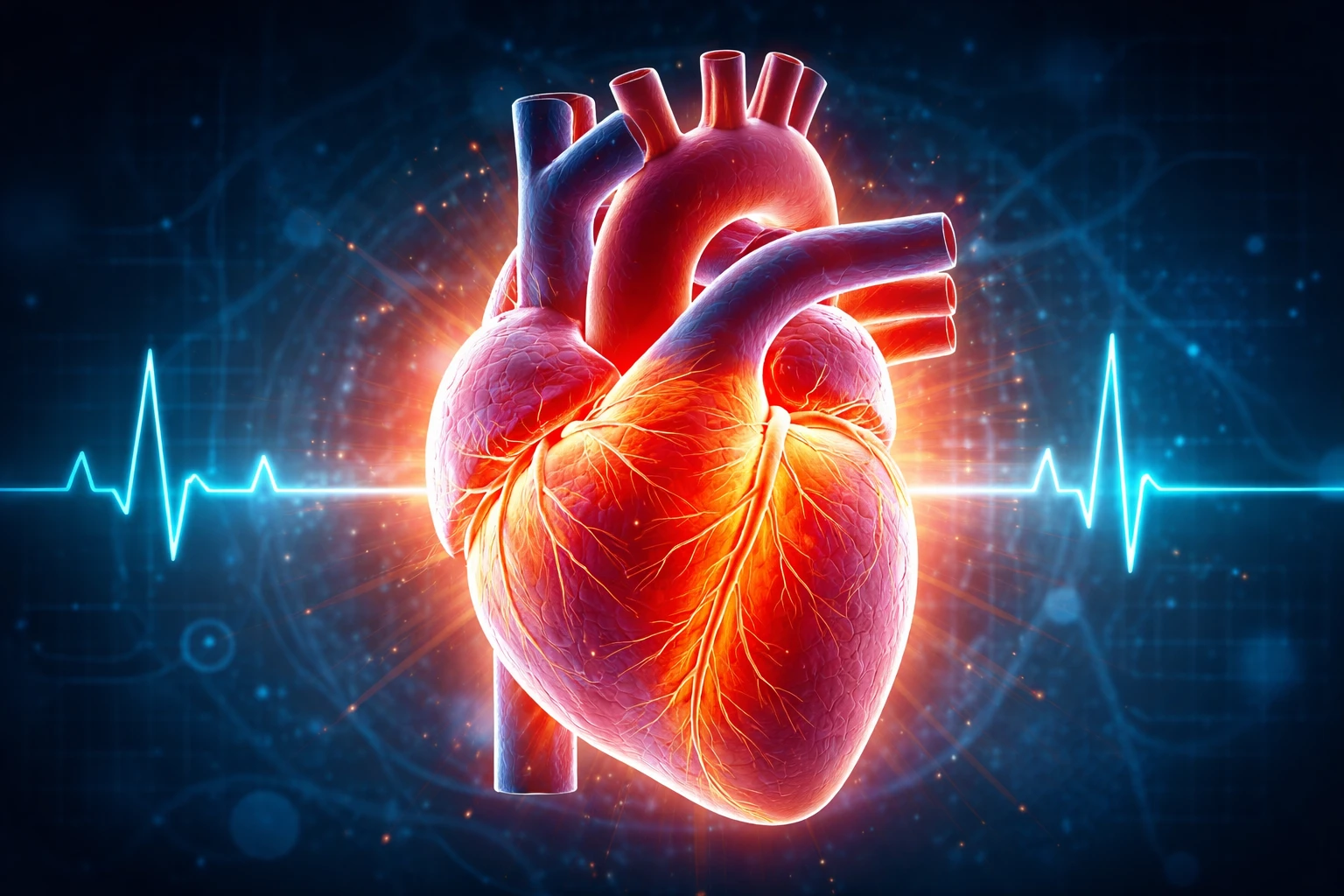
Your heartbeat is a complex mechanical process that creates the pressure readings we measure. Each heartbeat consists of two phases: systole (when the heart contracts and pushes blood out) and diastole (when the heart relaxes and fills with blood). The systolic pressure (top number) represents the maximum pressure during contraction, while the diastolic pressure (bottom number) shows the minimum pressure during relaxation.
A normal resting heart rate ranges from 60-100 beats per minute, with each beat generating approximately 70ml of blood flow. This rhythmic pumping creates a pressure wave that travels through your arteries at about 4-5 meters per second. When this system operates efficiently, your cardiovascular system maintains optimal pressure levels naturally.
Understanding this natural rhythm is crucial because various factors—stress, diet, physical activity, and certain botanical compounds—can influence both heart rate and the pressure generated with each beat. This is where targeted nutritional support becomes relevant for cardiovascular harmony.
Lesson Summary: Your Heartbeat & Blood Pressure
- Heartbeat Cycle: Each heartbeat has a repeating pattern of contraction and relaxation that moves blood through your body.
- Systole: The phase when the heart muscle contracts and pushes blood out into the arteries, creating the higher (top) blood pressure number.
- Diastole: The phase when the heart relaxes and fills with blood, creating the lower (bottom) blood pressure number.
- Blood Pressure: The force of blood pushing against artery walls, directly influenced by how strongly and how often the heart beats.
- Mechanical Pump Action: The heart’s muscular squeezing and relaxing generate the pressure waves we feel as a pulse and record as blood pressure readings.
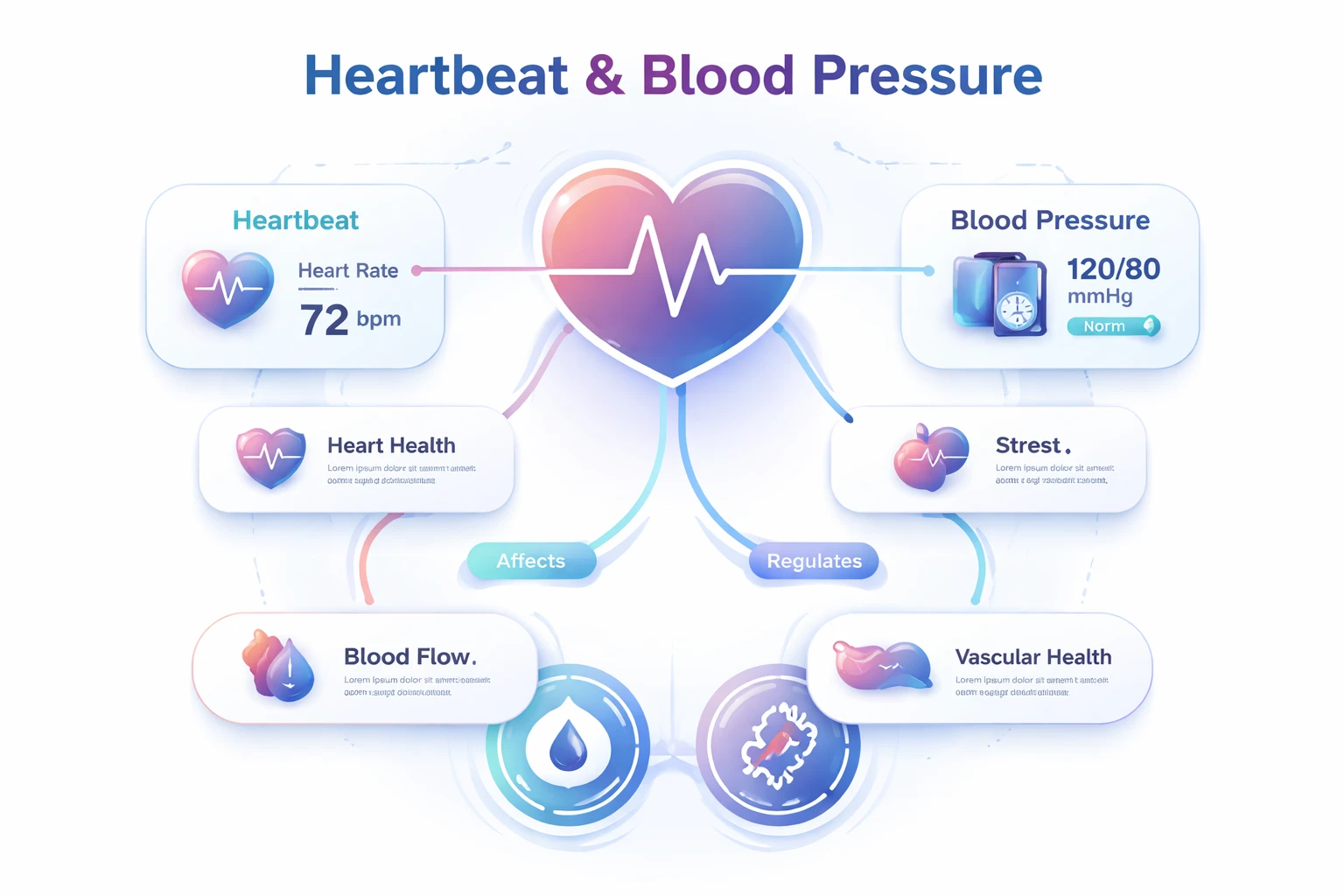
Understanding Your Heartbeat

Your heart is a remarkable muscular pump that contracts rhythmically to circulate blood throughout your body. Each heartbeat consists of two phases: systole (when the heart contracts and pushes blood out) and diastole (when the heart relaxes and fills with blood). This cycle repeats approximately 60-100 times per minute in healthy adults.
The electrical conduction system of your heart coordinates these contractions. It begins with the sinoatrial (SA) node, your heart's natural pacemaker, which sends electrical impulses through specialized pathways. These signals cause the atria to contract first, followed by the ventricles, ensuring efficient blood flow from your heart to your lungs and the rest of your body.
Various factors can influence your heart rate and rhythm, including physical activity, stress, caffeine, medications, and underlying health conditions. Understanding your baseline heart rate helps you recognize when cardiovascular interventions might be beneficial for maintaining optimal heart health.
What is Cardioxil?
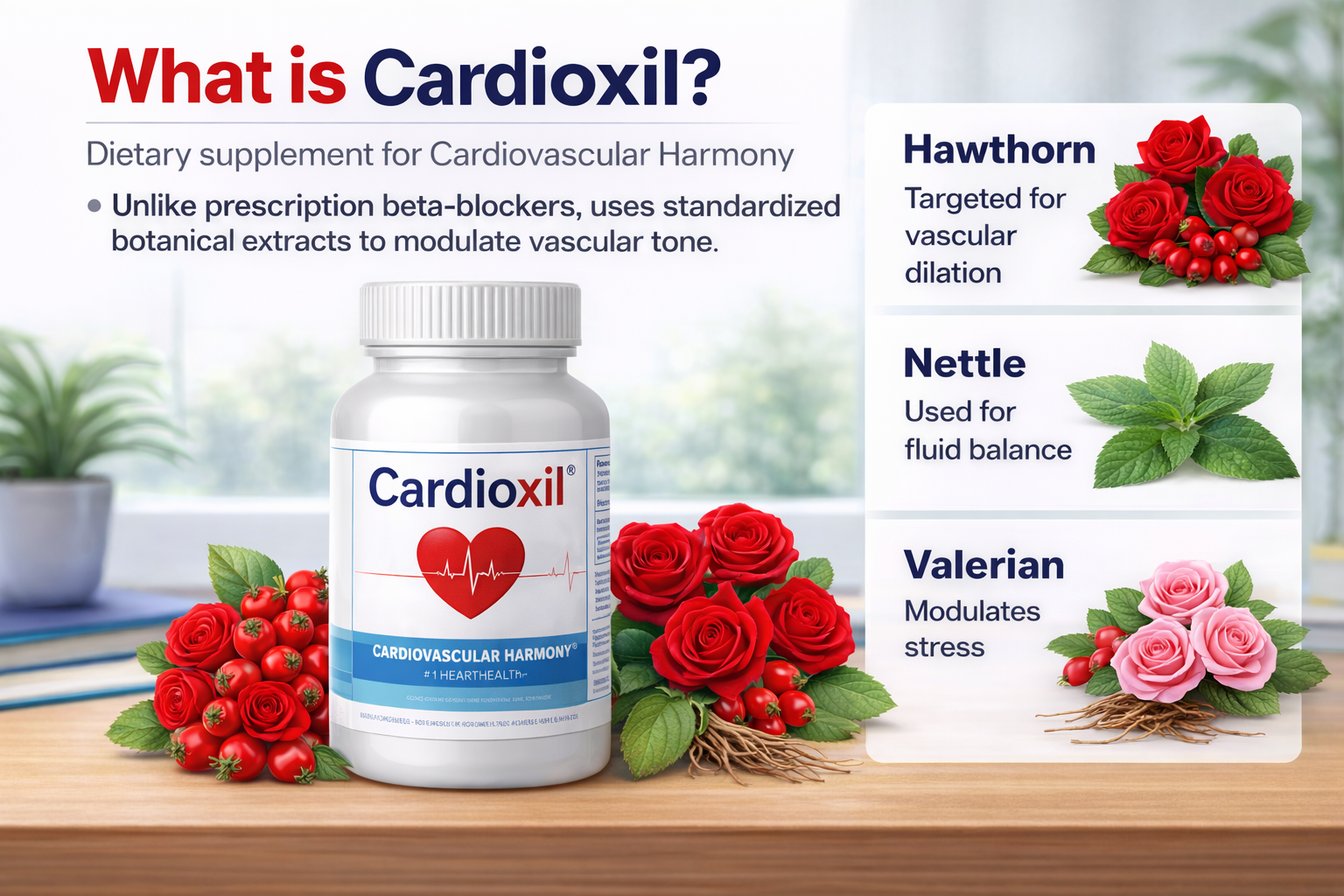
Cardioxil is a dietary supplement designed for "Cardiovascular Harmony." Unlike prescription beta-blockers, it uses standardized botanical extracts to modulate vascular tone.
Key Components:
- Hawthorn: Targeted for vascular dilation.
- Nettle: Used for fluid balance.
- Valerian: Modulates neurological stress responses.
Quick Check: Cardioxil Fundamentals
What is the primary purpose of Cardioxil as a dietary supplement?
Select all correct answers (2 correct)
The Botanical Engine
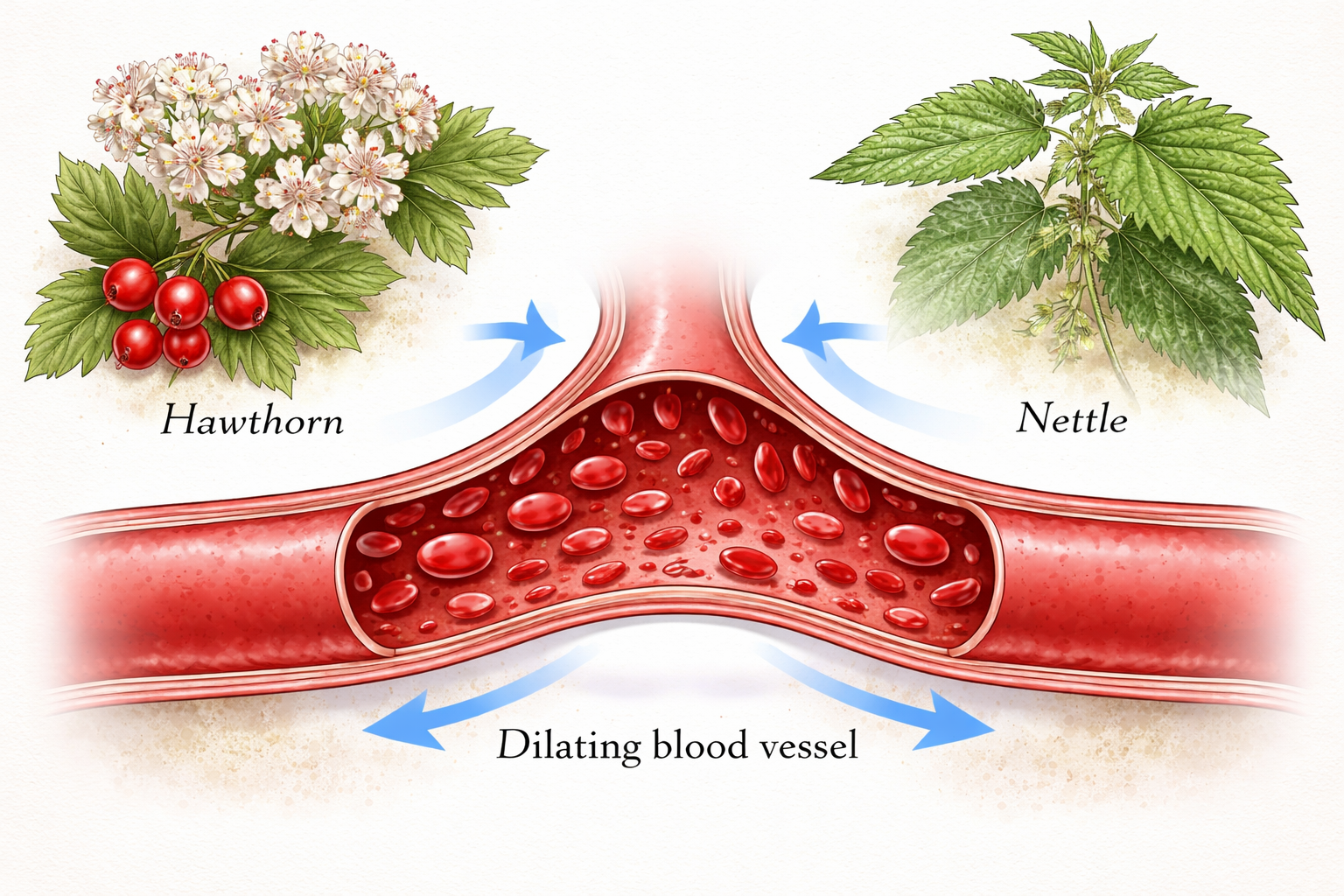
Cardioxil targets multiple pathways through synergistic plant compounds. Explore the roles below:
Hawthorn (Crataegus): Contains oligomeric procyanidins (OPCs) that relax peripheral blood vessels, acting as a natural vasodilator to reduce resistance.
Nettle (Urtica dioica): Rich in compounds that act as natural diuretics, aiding fluid volume management and reducing cardiac preload.
Valerian: Modulates the central nervous system's stress response, potentially lowering heart rate by reducing sympathetic "fight or flight" signals.
Quick Check: Botanical Engine Mechanisms
Which ingredient in Cardioxil contains oligomeric procyanidins (OPCs) that act as a natural vasodilator to relax peripheral blood vessels?
Checkpoint: Mechanism
Which ingredient is primarily associated my nameeeeee
Evidence vs. Marketing
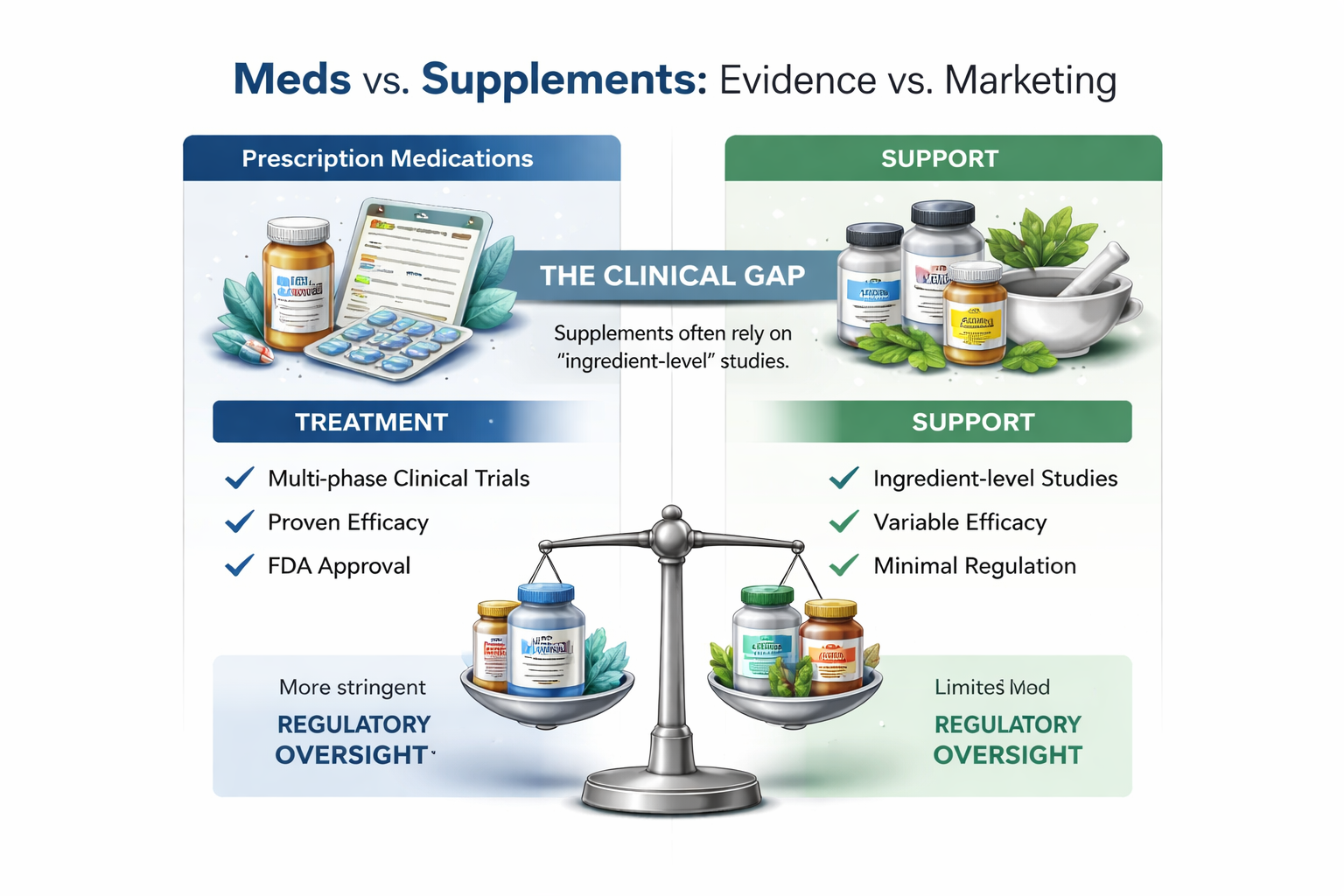
It is critical to distinguish between "Support" and "Treatment." Prescription medications require multi-phase clinical trials for proven efficacy.
The Clinical Gap:
- Supplements often rely on "ingredient-level" studies.
- Regulatory oversight for supplements is less stringent than for pharmaceuticals.
- Botatnical support should never replace prescribed cardiac medication without supervision.
Quick Check: Evidence vs. Marketing
Which of the following best describes the difference in clinical evidence requirements between prescription medications and dietary supplements?
Safety & Contraindications
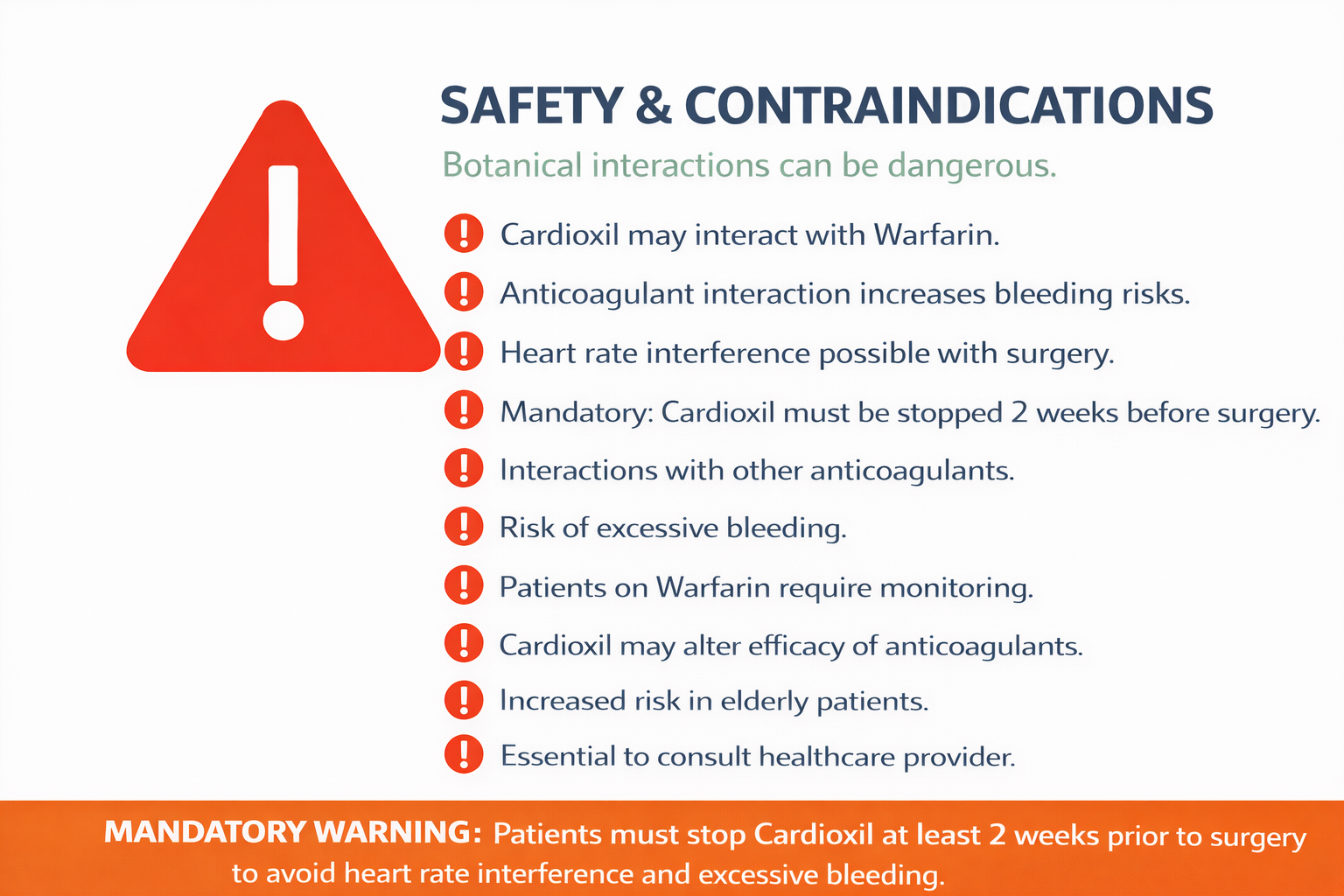
Botanical interactions can be dangerous. Cardioxil may interact with Warfarin or other anticoagulants, significantly increasing bleeding risks.
Mandatory Warning:
Patients must stop Cardioxil at least 2 weeks prior to surgery to avoid heart rate interference and excessive bleeding risks.
Quick Check: Cardioxil Safety & Contraindications
Which of the following best reflects safe clinical guidance for a patient taking Cardioxil who is also on Warfarin or another anticoagulant?
Select all correct answers (2 correct)
Checkpoint: Clinical Safety
Itell me your name g a prescribed anticoagulant, what is the most appropriate advice regarding Cardioxil?
Assessment Protocol
You have completed the heart support module. Please enter your name below for your protocol certificate.
Requirement: 80% score (4/5 correct) is needed to pass.
Key Takeaways
- Review the core ideas.
- Connect concepts to practice.
- Prepare for assessment.
Assessment Q1
Which component is responsible for the vasodilatory effects in the protocol?
Assessment Q2
What is the physiological role of Nettle extract in this formulation?
Assessment Q3
Why is a 2-week cessation mandatory before surgery?
Assessment Q4
How does the evidence for Cardioxil typically compare to FDA-approved meds?
Assessment Q5
Valerian extract primarily targets which mechanism for heart support?
Protocol Results
Evaluating protocol adherence...